Combinations
The white tee, five ways.
Under the jacket, tucked into the skirt, loose over trousers, knotted with the mini, layered beneath the knit.
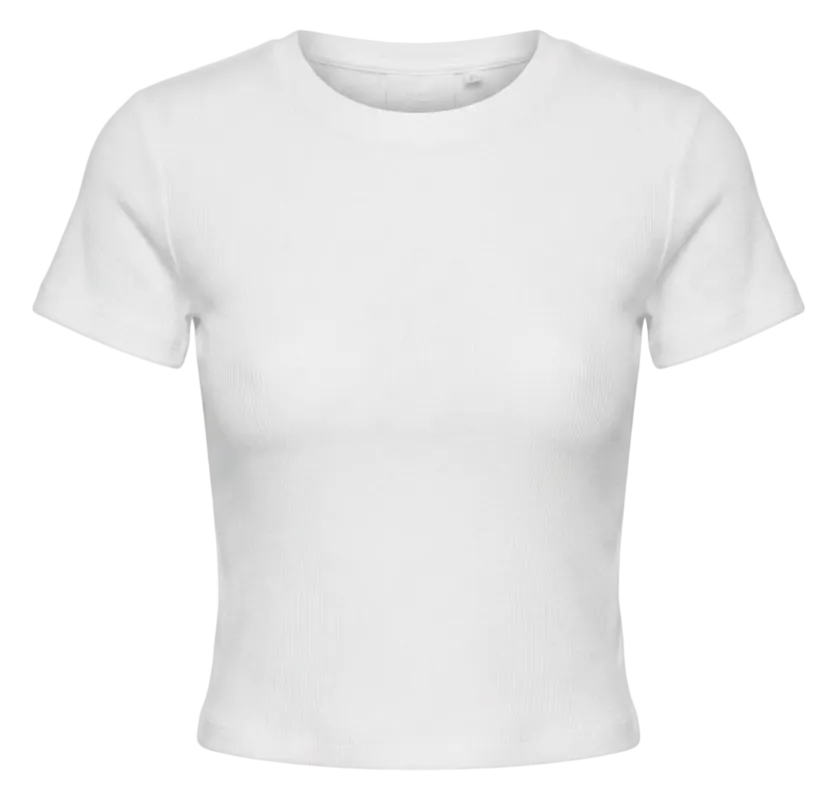
Every wardrobe has one piece with a worn count far above everything else, and it is almost never the interesting one. It is the white tee.
Which is worth taking seriously, because it means the white tee is the piece where quality actually pays for itself, and the piece most worth having a plan for.
Five ways
One — under the denim jacket. The default. The tee does nothing except be clean and fit properly, which is the whole job. Any bottom.
Two — tucked into the striped midi. A full tuck turns the tee into a top half rather than a T-shirt, and the pleated skirt does the rest. This is the version that goes to lunch and to work.
Three — loose over wide trousers. Untucked, ending at the hip, with the volume in the trousers. The proportion only works if the tee is not also voluminous — a fitted or straight tee over wide trousers reads deliberate; wide over wide reads like pyjamas.
Four — knotted with the denim mini. A single knot at the side, not the front. It shortens the tee without the commitment of a crop and puts the waist where you want it.
Five — layered beneath the black knit. Collar and cuffs showing. The knit gets the warmth, the tee gets the finish, and the whole thing looks like more effort than the fifteen seconds it took.
The hardest-working piece in any wardrobe is the plainest one.
What makes a tee worth wearing that often
If a piece is going to appear in a third of your outfits, the details stop being details:
- Opacity. The single most common failure. Hold it up to a window before you buy.
- The neckline holds its shape. A ribbed neck that has gone wavy ages an entire outfit, and it cannot be repaired.
- Length that allows a tuck. A tee too short to tuck loses you two of the five ways.
- A shoulder seam that sits on the shoulder. Everything else about fit is taste; this one is structural.
Buy the good one, wear it to death
Then replace it without sentiment. A white tee has a lifespan measured in wears, not years, and a greyed-out tee undermines every outfit it appears in — which, given the worn count, is a lot of outfits.
This is where a worn count earns its keep: it tells you when a basic has genuinely been used up rather than when it merely looks old in a drawer. Two hundred wears is a full life. Fifteen is a fit problem you should investigate before buying the same tee again.
Pieces in this note
Tops 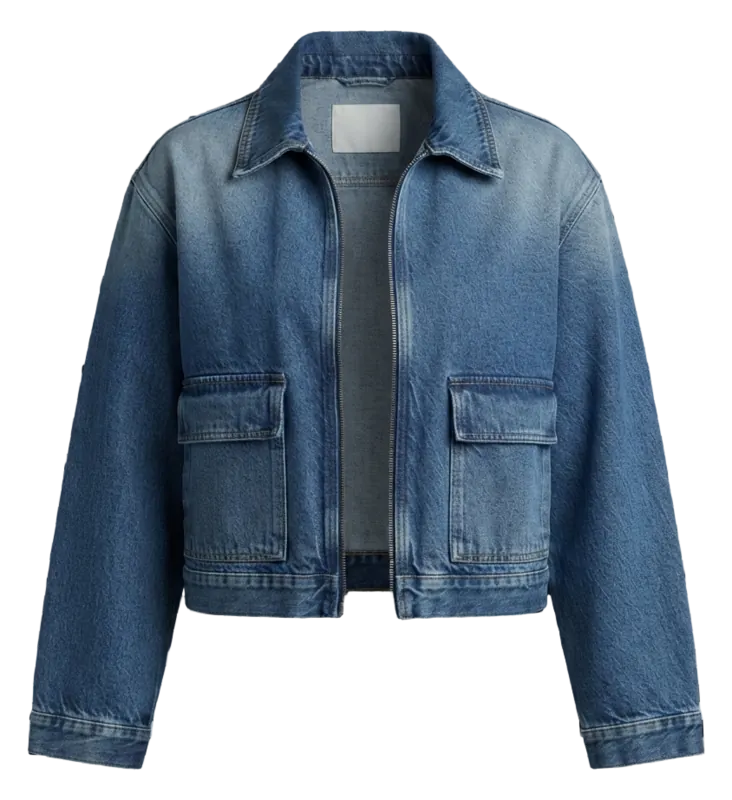
Outerwear 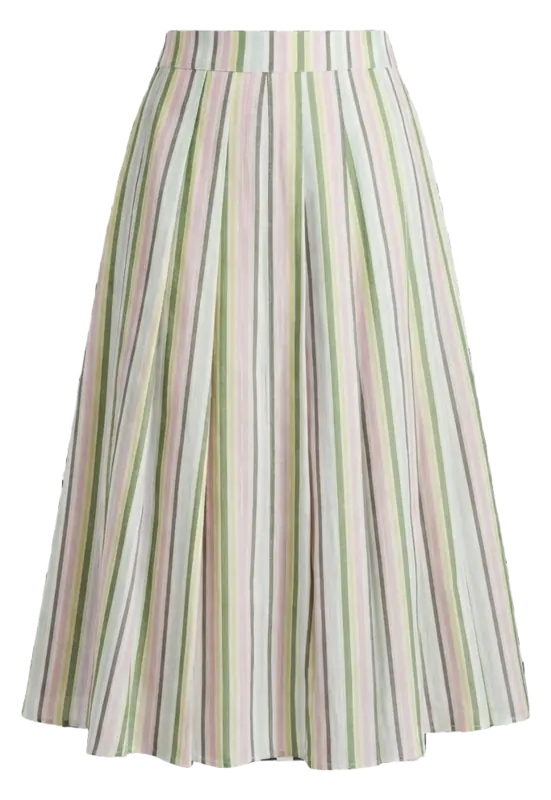
Skirts 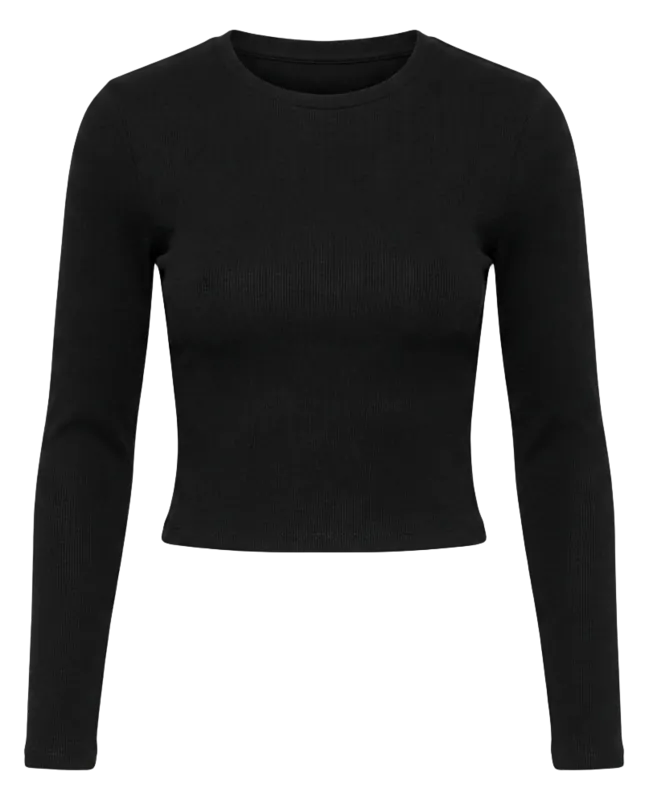
Knitwear
Questions
How do you style a plain white T-shirt?
Five reliable versions: under a denim jacket, fully tucked into a midi skirt, loose over wide trousers, knotted at the side with a mini, and layered under a knit with the collar and cuffs showing. The variation comes from the tuck and the layer, not from the tee.
What should I look for in a white T-shirt?
Opacity first — hold it to a window. Then a ribbed neckline that holds its shape, enough length to tuck, and a shoulder seam that actually sits on the shoulder. Everything else is taste.
How often should you replace a white T-shirt?
By wears, not by years. A white tee that has been worn a couple of hundred times has had a full life; one that greys or loses its neckline early is dragging down every outfit it appears in, which for this piece is a large share of them.