The trend-follower
Owns plenty, wears little of it. Dresd resurfaces the back row and turns one wardrobe into many looks.
The story
Chapter one
A wardrobe is a collection you can’t see. Pieces hang in a column, one behind the other; the ones in front get worn, the ones behind get forgotten. The result is a daily paradox — dozens of options, experienced as none.
The cost is quiet but constant. Minutes lost every morning to a decision that could have been made once. Good pieces bought with intention, retired by memory. Duplicates purchased because the original vanished into the back row. And a wardrobe that keeps growing without ever feeling like more choice.
The tools haven’t helped. Shopping apps want you to buy; photo albums don’t know a coat from a dress; spreadsheets don’t survive week two. What’s missing isn’t discipline — it’s a way to see what you own.
“The best outfit for tomorrow is already in the closet. It just can’t be seen.”
Chapter two
Dresd makes the wardrobe visible, then makes it useful. Four moves, in order:
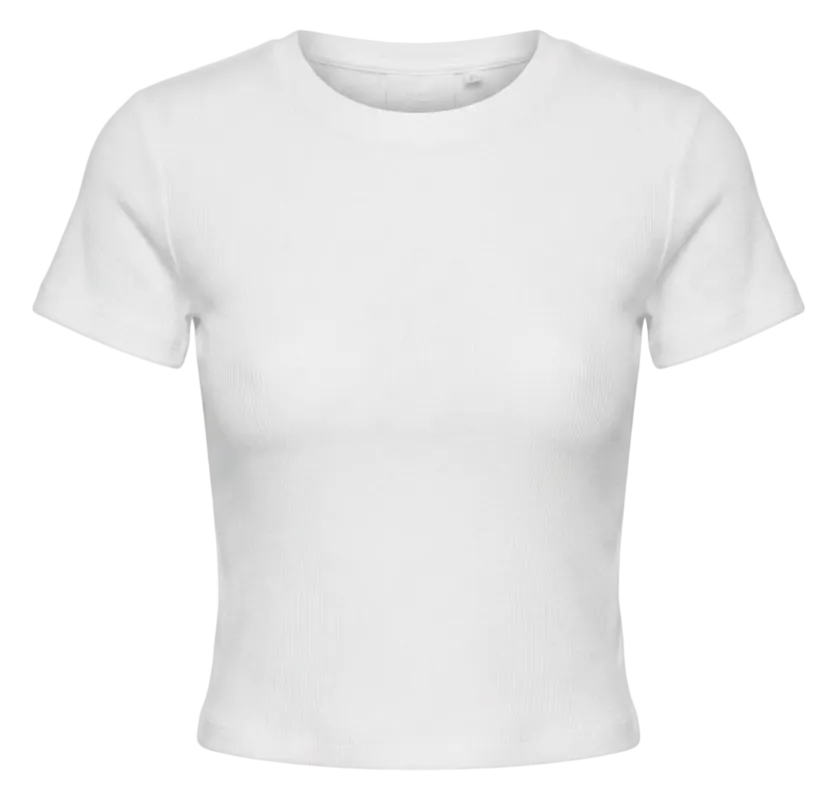
Photograph a piece — on you, on a hanger, flat on the bed. Dresd removes the background and files it by category, colour, and brand. The whole wardrobe, laid out on one page.
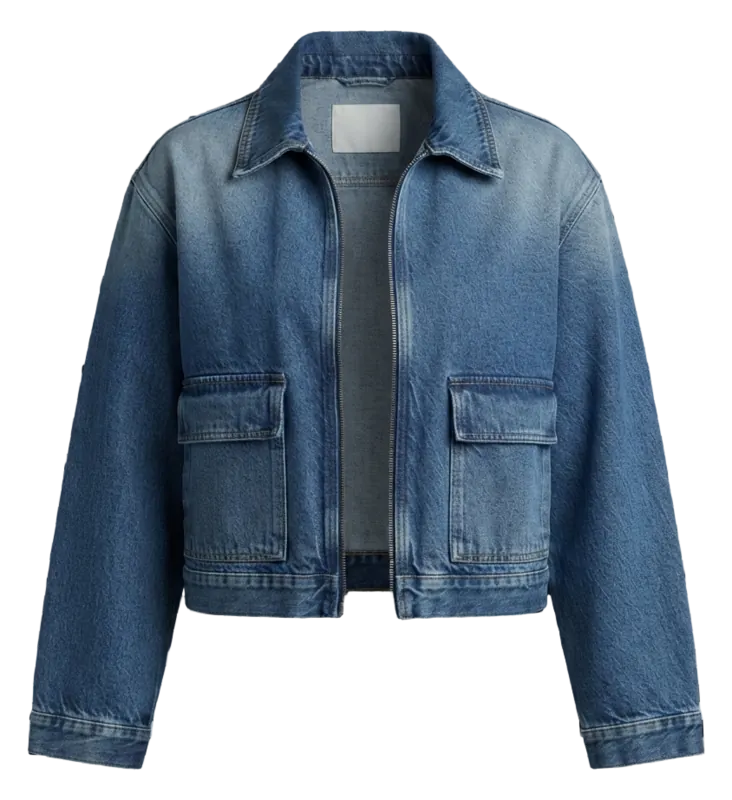
Pieces become stickers on a canvas. Drag, layer, resize — a flat-lay without the floor. Save the combinations that work; shuffle when nothing does.
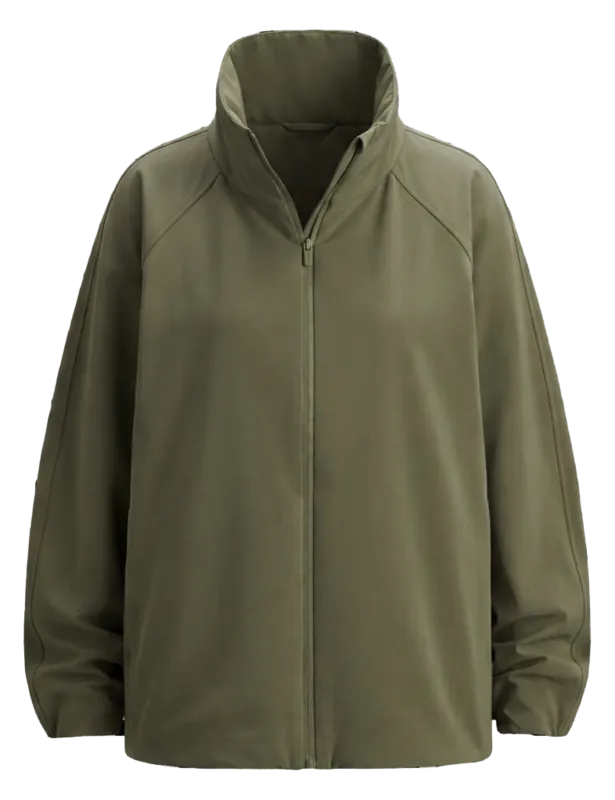
Assign a look to each day on the weekly calendar. Suggestions read the forecast — light layers for a mild afternoon, a proper jacket when it turns. The 7 a.m. decision, made on Sunday.
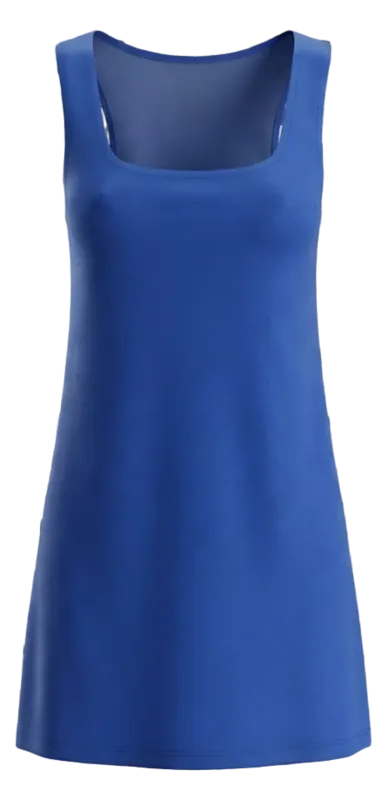
Worn counts show what earns its place and what doesn’t. Over time the wardrobe edits itself: fewer regrets, fewer duplicates, better mornings.
Chapter three
Method beats inspiration. Five principles Dresd is built around:
Chapter four
Owns plenty, wears little of it. Dresd resurfaces the back row and turns one wardrobe into many looks.
Keeps few pieces and wants each to work hard. Worn counts and planning make a small wardrobe feel deliberate, not limiting.