Combinations
One dress, three ways.
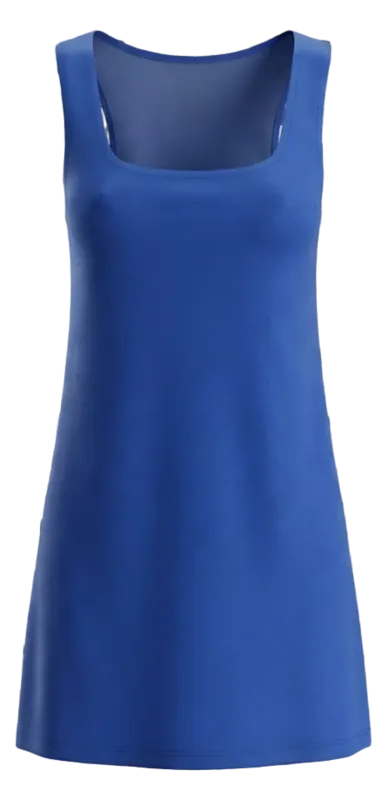
Morning, errands, evening — a single cobalt mini, restyled. Restyling beats rebuying, and the cost per wear collapses.
Most dresses are bought as outfits. You see the whole thing at once, you imagine one occasion, and after that occasion the dress has essentially been used up. It hangs there for a year, fully functional, quietly finished.
A cobalt mini shift is a good example, because it is bright enough to feel like a statement and simple enough to be nothing of the sort. It is not one outfit. It is three.
One — bare, at noon
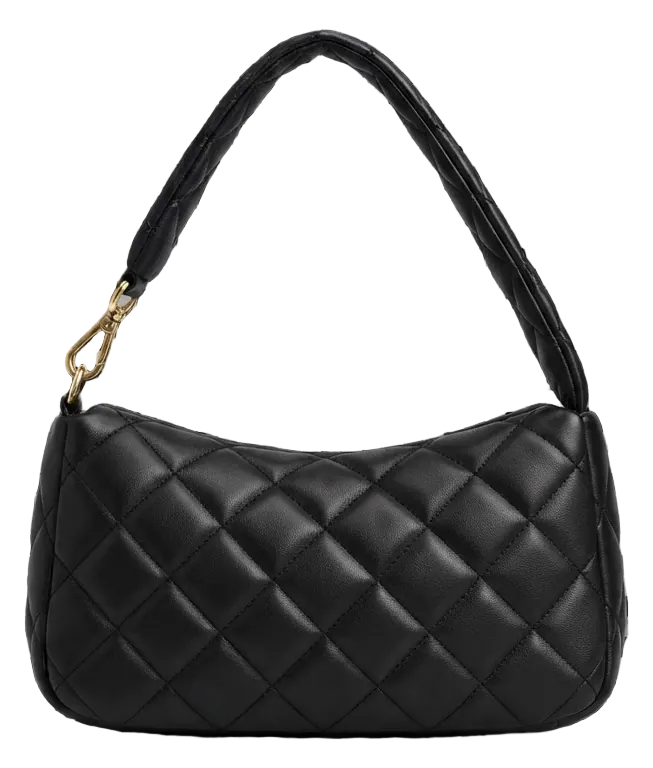
The dress as bought: on its own, flat sandals, a straw or canvas tote. This is the version that made you buy it, and it is the version you will wear least often, because it needs a warm day and somewhere to go.
Keep it simple. A strong colour does not need a second strong thing near it.
Two — over a white tee, for errands
This is the version that triples the wear count. Put a white ribbed tee underneath, add sneakers, and the dress becomes a pinafore. It loses the occasion and gains a Tuesday.
Two details make it work rather than look like a compromise:
- The tee should be fitted. A loose tee under a shift reads as an accident; a ribbed, close tee reads as a decision.
- The sleeve should be visible and deliberate — either a clean short sleeve or a long sleeve pushed up. Half a sleeve peeking out is the thing that looks unplanned.
Three — under a knit, after dark
Layer a black cropped knit over the top of the dress. The knit covers the shoulders and the top third; what remains reads as a skirt. Add heels. The cobalt goes from summer to evening without changing garment.
Restyling beats rebuying: the worn count triples, the cost per wear collapses.
The maths, briefly
A dress worn four times a summer at €120 costs €30 a wear. The same dress, styled three ways, gets worn perhaps fourteen times — €8.50 a wear, and two of those three versions are for ordinary days rather than occasions, which is where wardrobes actually live.
Nothing was bought. The difference is entirely in whether you saw the three versions.
Seeing the versions
That is the catch: layering combinations are hard to imagine while standing in front of a rail, because you can only see one thing at a time. It is much easier on a canvas, with the pieces laid out as cut-outs — drag the tee under the dress, drop the knit on top, and you can tell in two seconds whether it works.
Save the ones that do. A saved look is a recipe you can repeat without re-deciding, which is the entire point.
Pieces in this note
Dresses 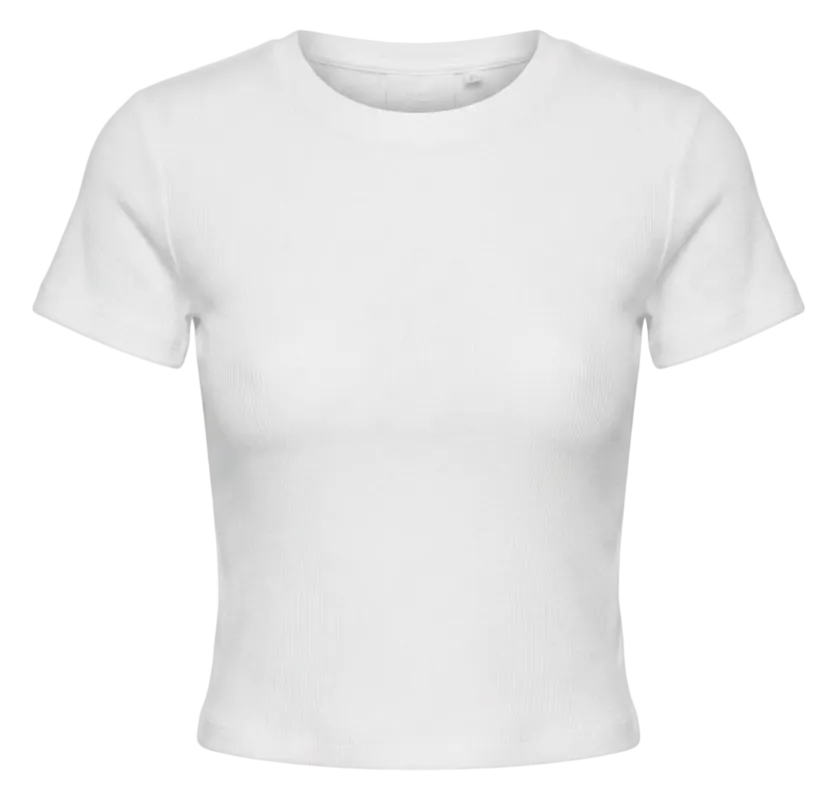
Tops 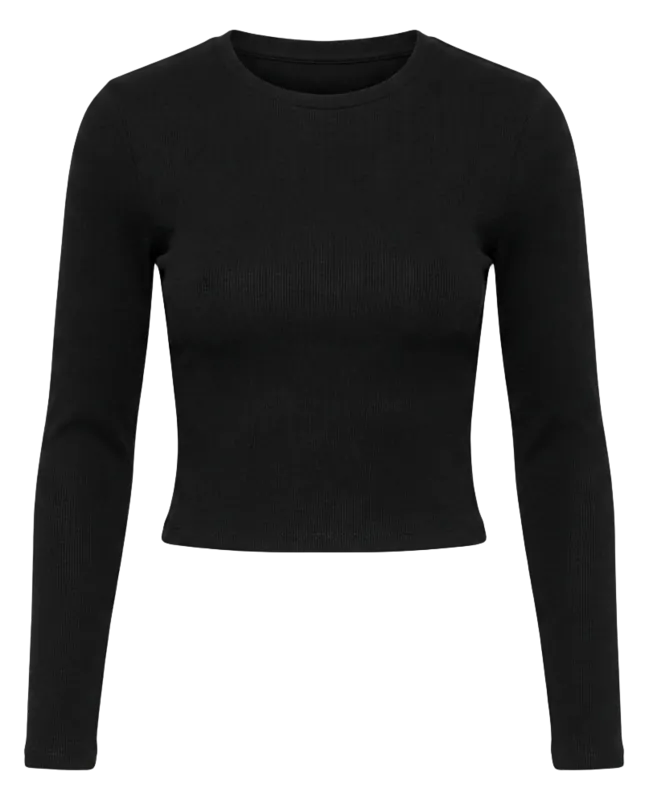
Knitwear 
Shoes
Questions
Can you wear a T-shirt under a dress?
Yes — a fitted, ribbed tee under a shift or pinafore-style dress turns an occasion dress into everyday wear. Keep the tee close-fitting and the sleeve deliberate; a loose tee with a half-visible sleeve is what makes the look read as unplanned.
How do I take a summer dress into evening?
Layer a cropped knit over the top so the dress reads as a skirt, and change to a heel. It is one garment and two accessories, and it avoids the usual mistake of adding a second strong colour next to an already strong one.
Why do I only wear my dresses once or twice?
Because dresses are usually bought as complete outfits tied to a single occasion. Finding two additional ways to wear the same dress — layered under and layered over — typically triples the number of times it leaves the wardrobe.