Method
The case for repeating outfits.
The best dressers repeat themselves deliberately — same combination, different day, zero decisions spent.
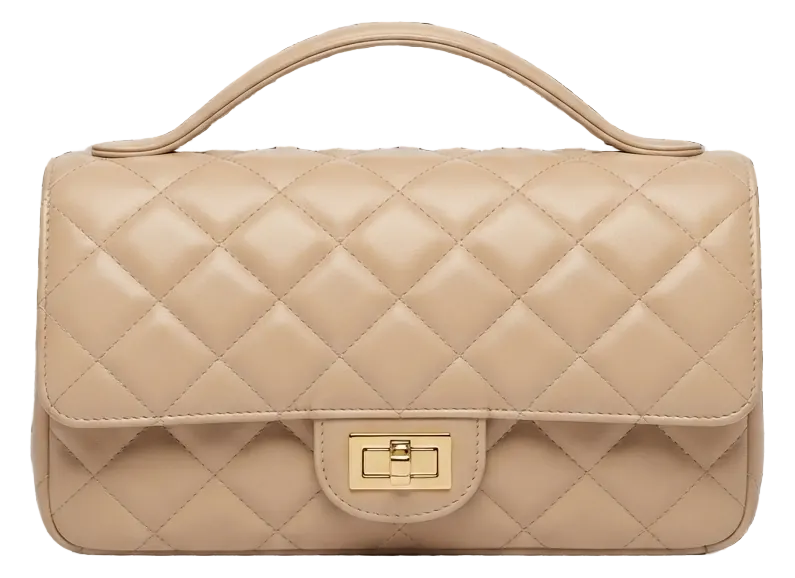
Somewhere along the way, wearing the same outfit twice became something to avoid. Not the same jumper — the same combination. As though having solved a problem once obliges you to solve it differently the next time.
It is a strange standard, and nobody applies it anywhere else. You do not feel obliged to cook a different dinner every night of your life.
A saved look is a recipe
When a combination works, something real has happened: proportions, colours, and the occasion all landed at once. That is not a lucky accident to be admired and discarded. It is a result — and results are for reusing.
The people who look consistently well dressed are, almost without exception, repeating a small number of combinations they have already proved. What reads as effortlessness is usually just a short list.
Outfit repeating isn’t a lapse; it’s the whole point of finding one that works.
What you get back
Roughly seventeen minutes a morning, and something more useful than the minutes: the decisions themselves. Choosing clothes at 7 a.m. spends attention from the same budget you will need at 10 a.m., and it spends it on a problem you already solved last Tuesday.
There is also a quality argument. A proved outfit is, by definition, better than the average of the outfits you would improvise. Repeating raises your floor.
How to repeat without it being obvious
Three or four proved looks per season, rotated, are effectively invisible to everyone but you:
- Vary one element, not the formula. Same proportions, different top. The shape is what people register; the colour is what they don’t.
- Space them. Any given look reappearing at ten-day intervals is completely unremarkable.
- Let the accessory carry the difference. Swapping the bag or the shoe changes the read of an identical outfit more than swapping the trousers would.
Keep the list somewhere
The one requirement is that the proved looks are written down, because they are exactly the thing you cannot recall at 7 a.m. A combination you discovered in April and did not record is gone by June.
Save the look when it works — pieces attached, ready to be assigned to a Tuesday. Then repeating stops being a compromise and becomes what it always was: the point of having found one that works.
Pieces in this note
Bags 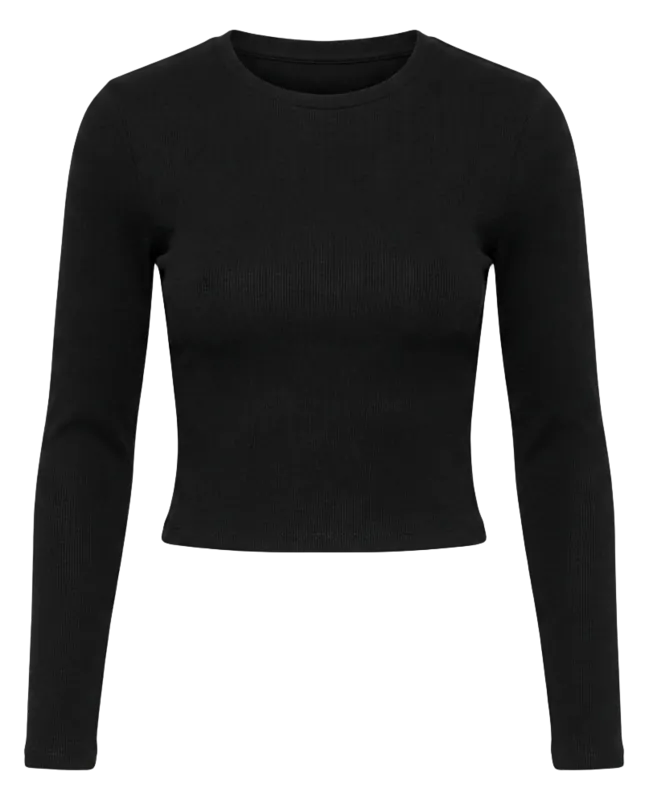
Knitwear 
Trousers 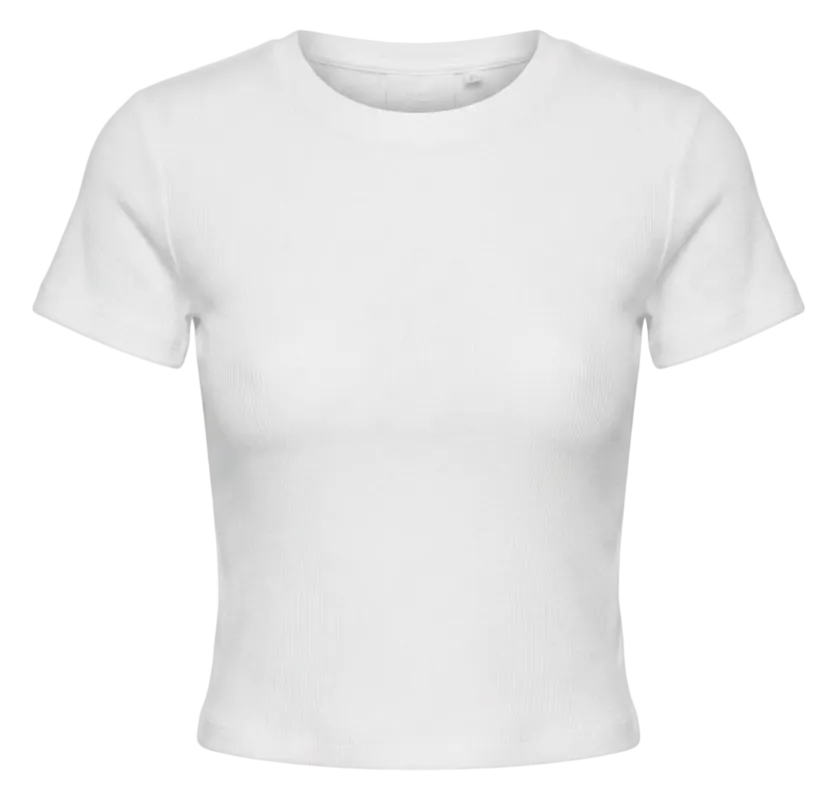
Tops
Questions
Is it bad to repeat the same outfit?
No. A combination that works is a solved problem, and re-solving it every week costs attention without improving the result. Three or four proved looks rotated through a season are unremarkable to everyone except the person wearing them.
How often can you repeat an outfit without people noticing?
Roughly ten-day spacing makes any single look effectively invisible. Varying one element — usually the top or the accessory — while keeping the same proportions extends that further, because people register shape rather than colour.
How do I remember outfits that worked?
Save them with the pieces attached at the moment they work. A combination discovered in April and not recorded is gone by June, which is why most people rediscover the same three outfits every year.