Weather
Dressing for weather, not against it.
The best-dressed days are planned the night before, forecast in hand. Layers over outfits.
There are two ways to handle weather. You can dress against it — pick the outfit you want and then endure whatever the day does — or you can dress for it, and let the forecast make one specific decision on your behalf.
The second is easier and looks better, and it only requires giving up one thing: the third piece.
The third-piece rule
Most outfits are two pieces plus one. A top and a bottom, then something over it — jacket, knit, overshirt, coat. The first two are yours: they are about taste, occasion, and what you feel like. The third is not. The third belongs to the weather.
This split is what makes weather-dressing painless. You are not rebuilding the outfit for the forecast, you are choosing one layer from a small set.
The outfit is yours; the third piece belongs to the forecast.
A working temperature ladder
Rough, personal, and worth calibrating to yourself over a season — but this is the shape of it:
- Above 25° — no third piece. Something cool kept at the desk for indoors.
- 18–25° — denim jacket or unlined overshirt. The classic in-between layer.
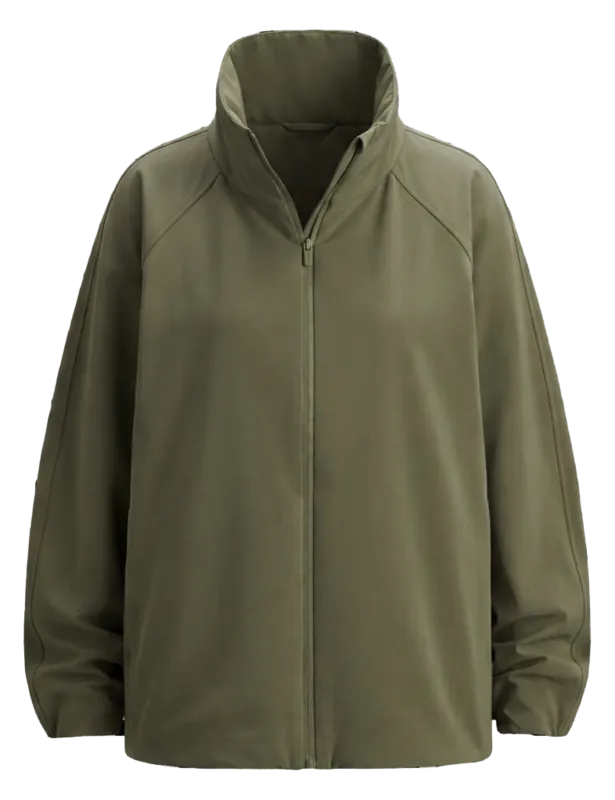
- 12–18° — a light zip jacket or a knit, depending on wind more than temperature.
- 6–12° — a proper coat over a knit. Two layers under, not one thick one.
- Below 6° — coat, knit, and the accessories start doing real work.
Two adjustments matter more than the numbers. Wind is worth about four degrees, and it is the variable people ignore most. Sun on your route is worth a few in the other direction: the same 14° is a different day on a shaded street.
Plan the night before
Style decisions made at 7 a.m. default to habit. Made at 9 p.m., they default to intention.
This is not a discipline point, it is a practical one. In the evening you can see the whole wardrobe, you know what tomorrow contains, and the forecast for tomorrow is far more accurate than the forecast you glanced at three days ago. You also have the option of noticing that the thing you want to wear is in the wash — at an hour when that is solvable.
Let the forecast do the choosing
The reason this doesn’t happen is friction: checking a forecast, translating 14° and windy into a layer, and then remembering which of your own jackets that is. Three steps, at the wrong hour.
Collapsing that into one is the point of a weather-aware wardrobe. Tomorrow’s temperature comes in, the saved looks that suit it come up, and the third piece is already attached. All you have to do is agree.
Let the weather pick the layer — it always had a vote anyway.
Pieces in this note
Outerwear 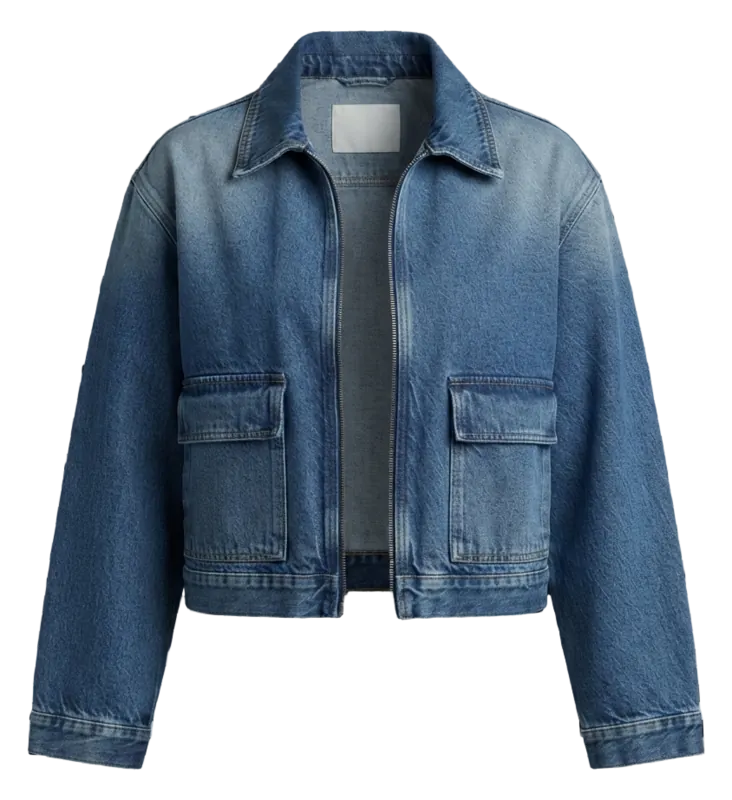
Outerwear 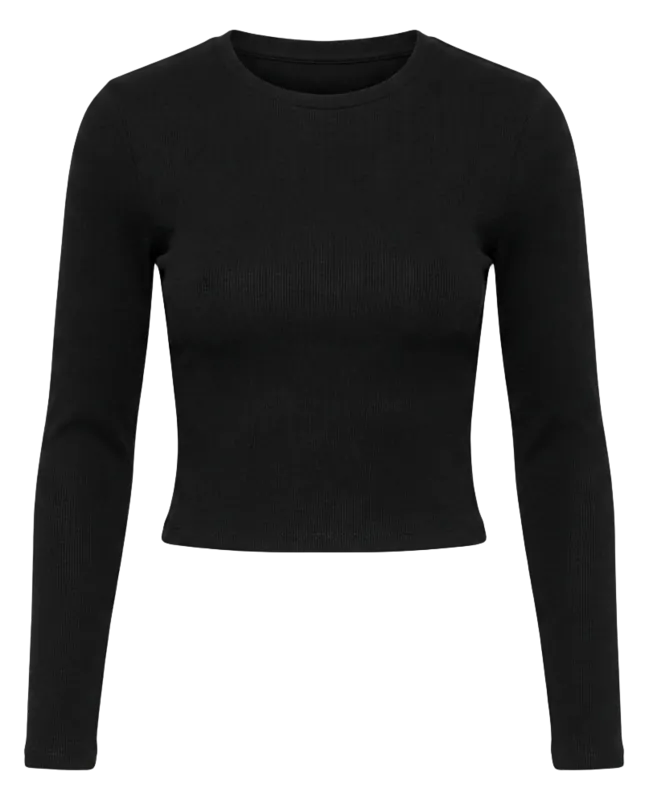
Knitwear 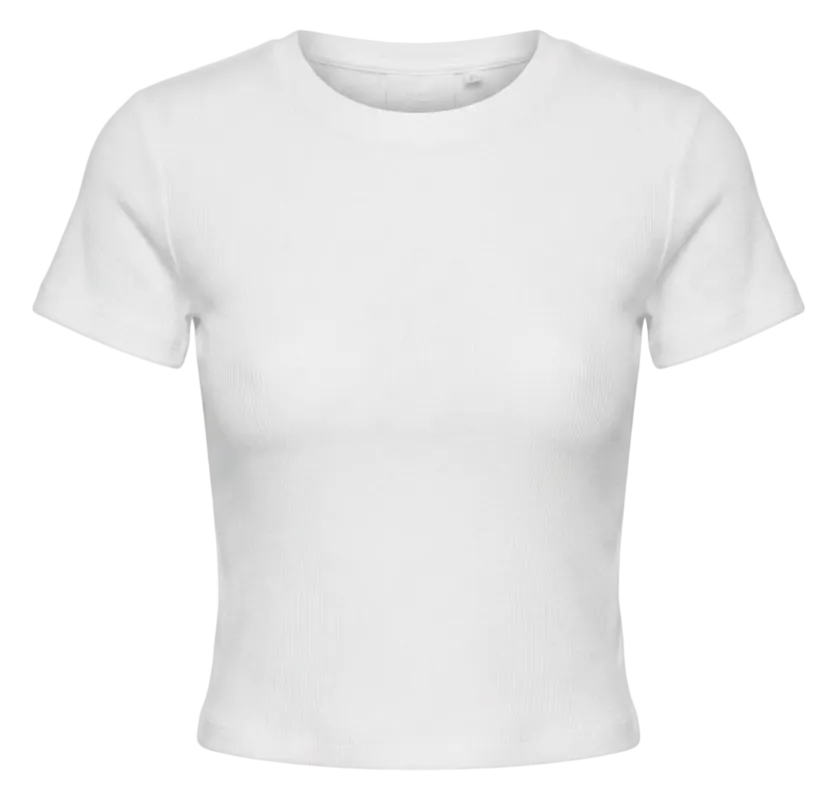
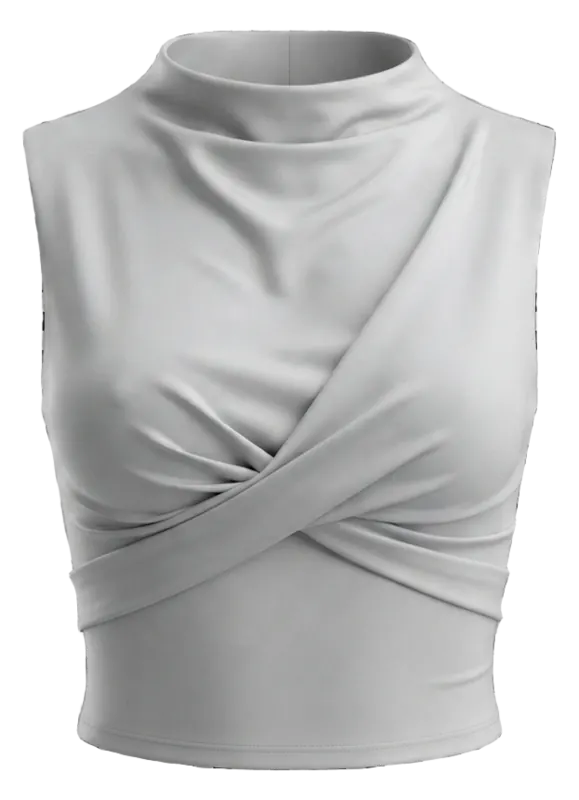
Tops
Questions
How should I dress for changeable weather?
Use the third-piece rule: choose the top and bottom for taste and occasion, and let the forecast choose the layer over them. You are then only making one weather decision instead of rebuilding the whole outfit.
What should I wear at 18 degrees?
A denim jacket or unlined overshirt over a normal two-piece outfit is the reliable answer for 18–25°. Adjust down a step if it is windy — wind is worth roughly four degrees and is the variable most people leave out.
Is it better to plan outfits the night before?
Yes, for two practical reasons: the evening forecast for tomorrow is more accurate than the one you glanced at earlier in the week, and at 9 p.m. you can still do something about the piece that turns out to be in the wash.