Season
Office in a heatwave.
Above 30°, structure melts — composure has to come from fabric and cut instead.
Office dressing normally leans on structure. A jacket, a collar, a shoe with a bit of weight — these do the work of signalling that you are dressed, and they do it without you thinking about it.
Above 30°, all of that becomes unwearable, and most people respond by removing the structure and adding nothing. Which is why heatwave offices are full of people who look less dressed rather than differently dressed.
Move the work from structure to fabric and cut
The signal has to come from somewhere else. Two places are available:
Fabric. A draped, matte, slightly heavier-than-you-think fabric reads as intentional in a way that thin jersey never does. Anything with a bit of body holds a shape without holding heat. Linen works but creases into looking slept-in by two o’clock; a fluid viscose or a fine crepe holds the line all day.
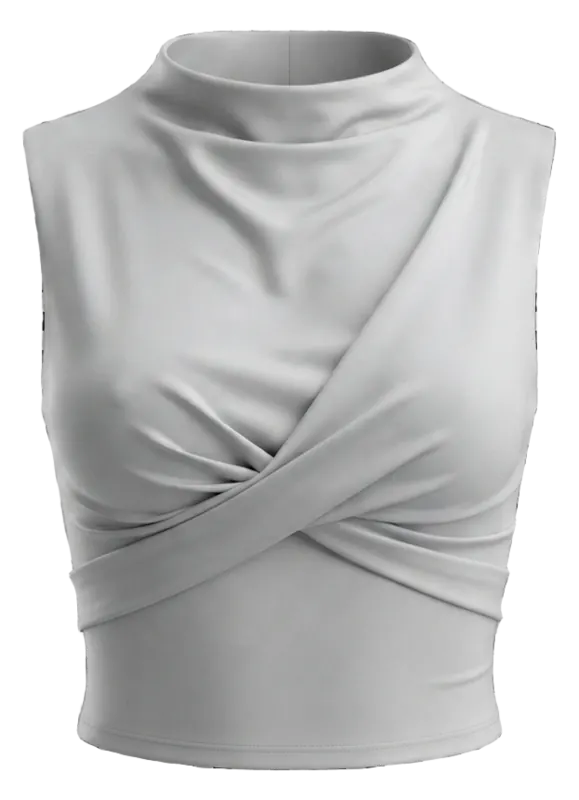
Cut. Sleeveless is fine. Sleeveless and shapeless is the problem. A twist-front or a defined shoulder gives the top half a structure that a blazer would otherwise have provided.
Dressed, not undressed.
The reliable heatwave outfit
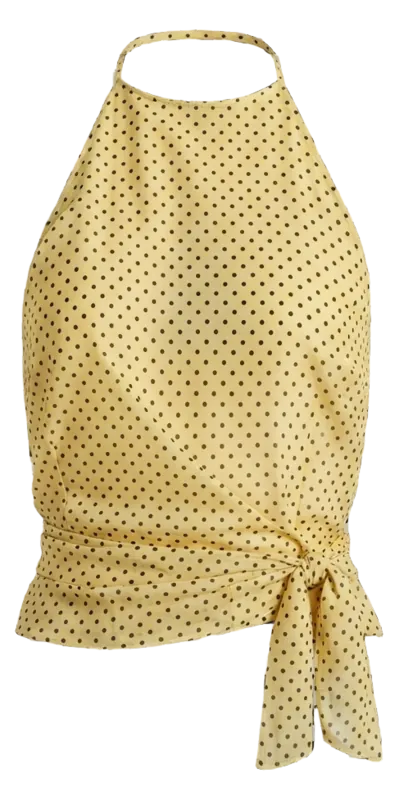
- A draped sleeveless top with a defined neckline — the piece doing the work.
- A pleated midi skirt or wide trousers. Volume below the waist moves air. This is the single biggest comfort lever available, and it costs nothing in formality.
- A low heel or a clean flat. Closed enough to read as work, low enough to walk home in when the trains are also having a heatwave.
- Minimal metal. A small point, but hot metal against skin all afternoon is genuinely unpleasant.
Keep one cool layer at the desk
Every office has a meeting room that is always winter. Air conditioning is set by someone in a suit, and it is set for the suit.
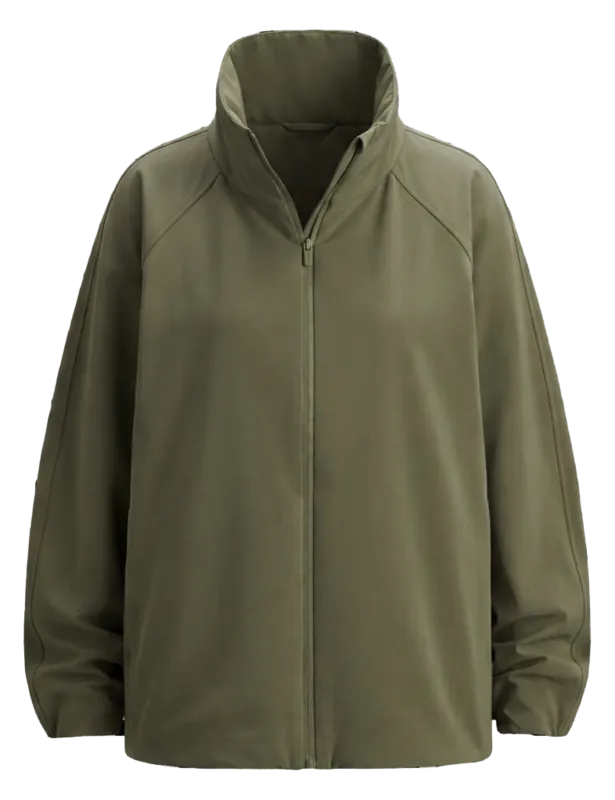
The answer is a layer that lives at work rather than one you carry: a fine knit or an unlined overshirt kept over the back of the chair. It solves the meeting room without making you carry a jacket through a 33° commute — and because it never comes home, you never forget it.
Plan it the night before, in the heat
Heatwaves are exactly when morning decisions are worst. It is already warm at seven, you are already uncomfortable, and the wardrobe is full of clothes for a different climate.
A weather-aware plan does the useful thing here: it looks at tomorrow’s 33° before you do, proposes a look from the pieces that actually work at that temperature, and takes the decision out of a hot morning. The clothes were always there. The problem was choosing them at the wrong time of day.
Pieces in this note
Tops 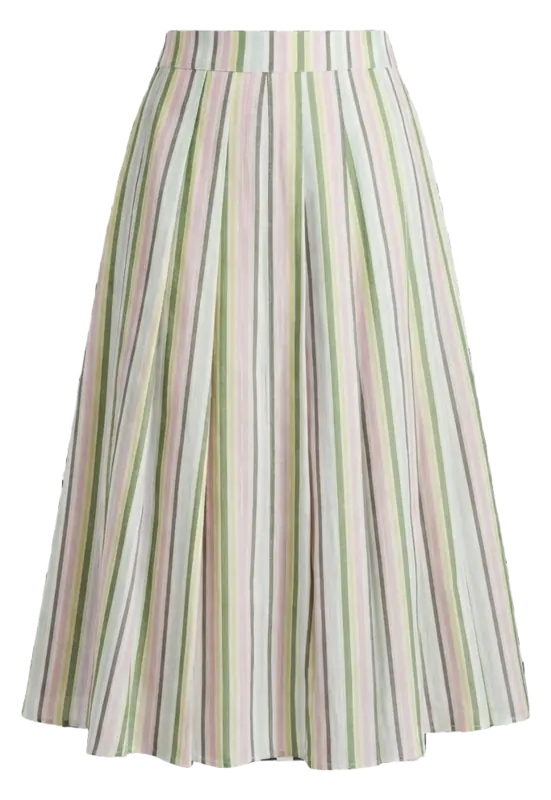
Skirts 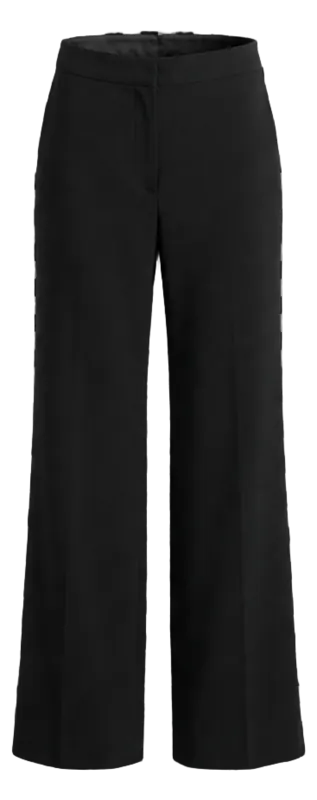
Trousers 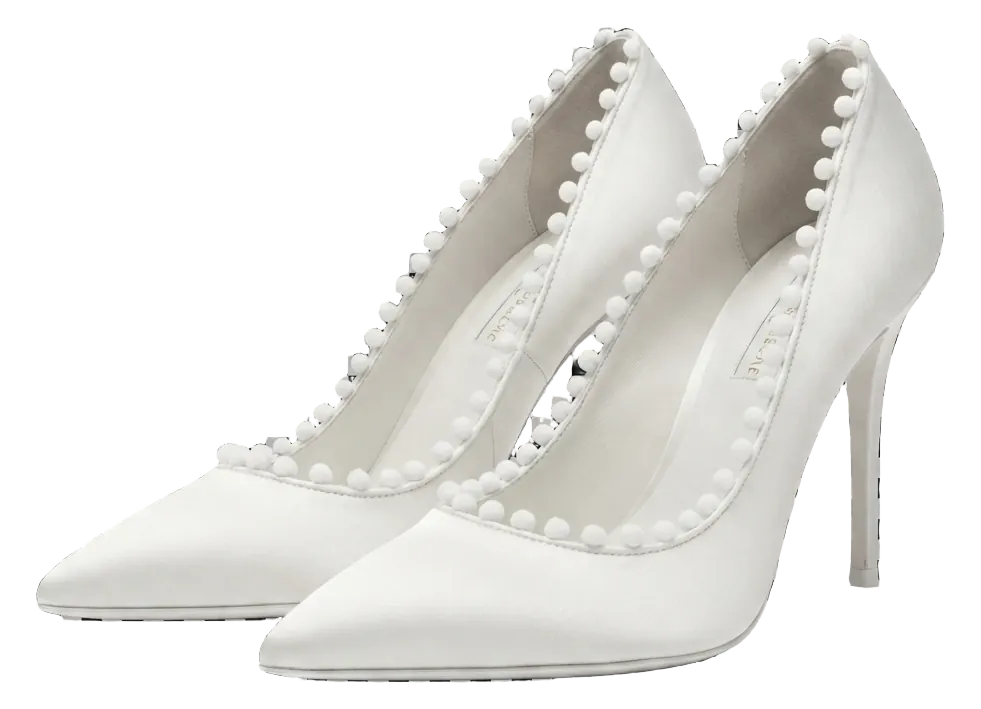
Shoes
Questions
What should I wear to the office in a heatwave?
A draped sleeveless top with a defined neckline, a pleated midi skirt or wide trousers, and a low heel or clean flat. Volume below the waist moves air without costing you any formality, and the fabric does the work a jacket normally does.
How do you look professional without a jacket?
Shift the signal from structure to fabric and cut. A matte fabric with some body and a defined shoulder or twist-front neckline reads as intentional; thin jersey with no shaping is what makes people look undressed rather than differently dressed.
What fabrics are best for hot weather at work?
Fluid viscose and fine crepe hold their line all day. Linen is genuinely cool but creases into looking slept-in by mid-afternoon, so it suits days without meetings better than days with them.
How do I deal with over-air-conditioned meeting rooms?
Keep a fine knit or unlined overshirt permanently at your desk rather than carrying one. It solves the cold meeting room without making you carry a layer through the commute, and it is never left at home.