Season
The summer edit.
Eight warm-weather pieces that compose a whole season. Summer dressing fails on quantity and wins on rotation.
Summer wardrobes fail in a specific way. They grow. Every warm week adds a top bought in a hurry, and by August there are forty pieces and four outfits, because nothing was chosen to go with anything else.
The fix is not discipline. It is a shared palette and a shared temperature.
Eight pieces, one season
Here is the edit. Two halter tops, a striped pleated midi skirt, a pair of leather sandals, a straw tote, a white tee, a light bottom, and one evening piece. Eight things.
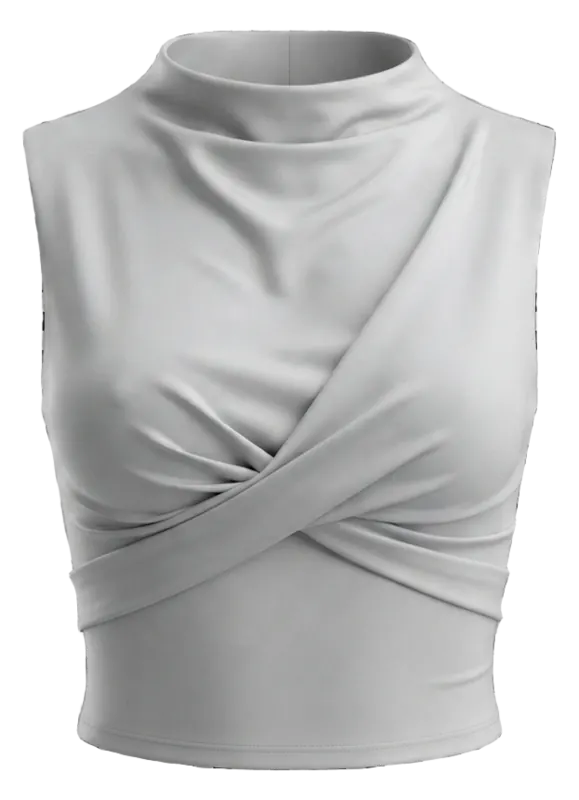
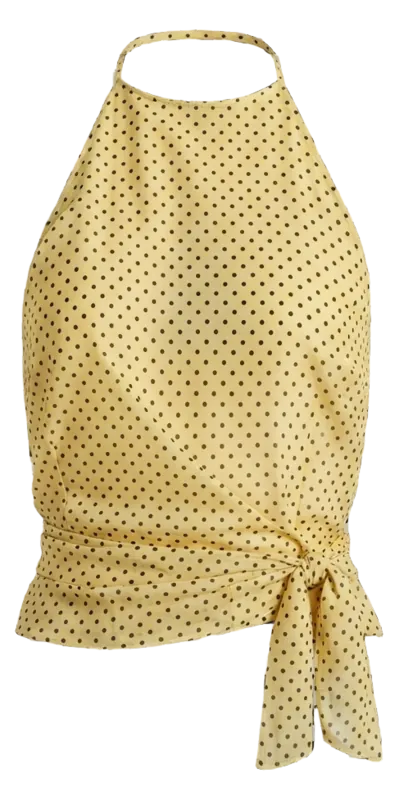
- Two halters — one plain, one patterned. They cover the top half of most warm days and read as dressed without being warm.
- A striped pleated midi. Moves air, hides nothing, works with every top in the edit. The single most useful summer bottom there is.
- Leather sandals. One pair, flat, worn in. Not the pair that needs plasters.
- A straw tote. The bag that goes to the market and the beach and dinner.
- A white tee — for the days the halters are too much, which are more days than you think.
- One light bottom — wide trousers or a denim mini, whichever you actually reach for.
- One evening piece. A dress that requires nothing from the rest of the edit.
Why rotation beats quantity
Eight pieces that share a palette produce more wearable outfits than thirty that don’t. The arithmetic is unforgiving: two tops and two bottoms give you four looks; four tops and four bottoms give you sixteen — but only if every top genuinely works with every bottom. One piece in a colour that fights the others doesn’t add an outfit, it subtracts several.
Pick pieces that share a temperature and a palette, and every pairing works.
Temperature matters as much as colour, and gets ignored. A heavy linen blazer and a bandeau top might match beautifully and still never be worn together, because they belong to different days.
The test before you buy
One question: does it work with at least three things I already own? If the honest answer is one, it is not a summer piece, it is a summer outfit — and outfits bought whole get worn once.
The reason this question is hard to answer in a shop is that you cannot see your wardrobe from there. This is the part a digital wardrobe genuinely solves: open the app, look at the eight pieces already in the summer edit, and check. It takes ten seconds and it prevents the forty-piece August.
Editing at the end of the season
In September, look at the worn counts rather than the pieces. Anything worn twice or fewer over a whole summer was not unlucky — it was wrong, and it will be wrong again next year. Let it go while you still remember why.
Pieces in this note
Tops 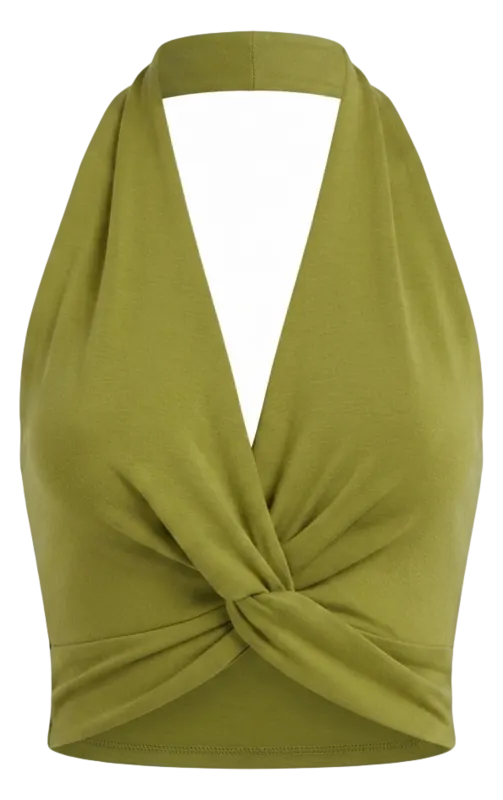
Tops 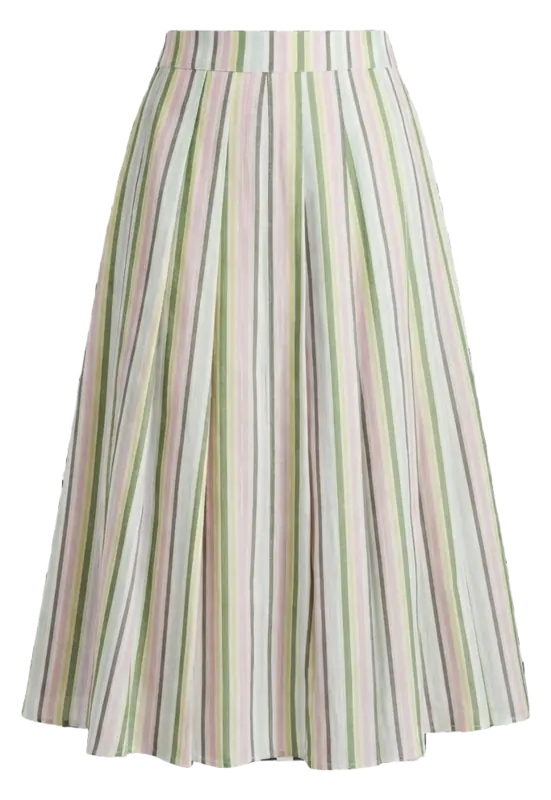
Skirts 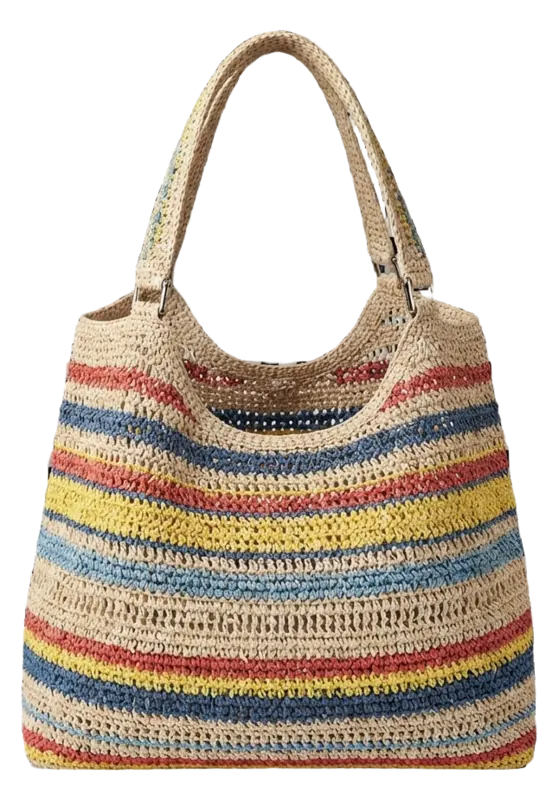
Bags
Questions
How many pieces should a summer capsule wardrobe have?
Around eight core pieces will carry a full season if they share a palette and a temperature. The number matters far less than whether every top genuinely works with every bottom — a piece that only combines with one other thing adds an outfit, not a wardrobe.
What are the essential summer wardrobe pieces?
Two lightweight tops, a midi skirt or equivalent light bottom, a white tee, one pair of flat leather sandals, a roomy tote, a second light bottom, and one evening dress. That set produces well over a dozen outfits.
How do I stop buying summer clothes I never wear?
Before buying, check whether the piece works with at least three things you already own. The reason this is hard in a shop is that you cannot see your wardrobe — which is exactly what a digital wardrobe app is for.