Season
What earns a place in the holiday bag.
Pack combinations, not clothes. Every top must work with every bottom, or it stays home.
Most overpacking is not caused by taking too many clothes. It is caused by taking clothes that do not combine — a suitcase of individual outfits rather than a working wardrobe, where every piece has exactly one partner and losing one to a spill costs you a whole day’s look.
The fix is a single test.
The test: every top with every bottom
Lay out what you plan to take. Check every top against every bottom. If a pairing doesn’t work, one of the two pieces is the problem — and it is nearly always the one you were least sure about.
Take it out. Then re-run the test, which is now shorter.
What survives is a set where the arithmetic works for you: three tops and two bottoms is six outfits, not five garments. Add a layer and a dress and you are past ten without adding much weight.
Seven pieces make twelve outfits if they share a palette.
The seven
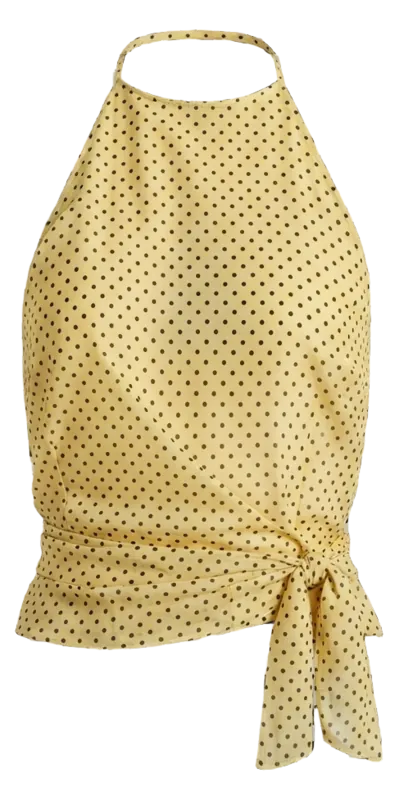
- Two tops that work with everything — one plain, one with some character.
- A third top for evenings, in the same palette.
- A skirt or light bottom that moves air.
- A second bottom — trousers or jeans depending on the destination.
- One dress that needs nothing from the rest of the list.
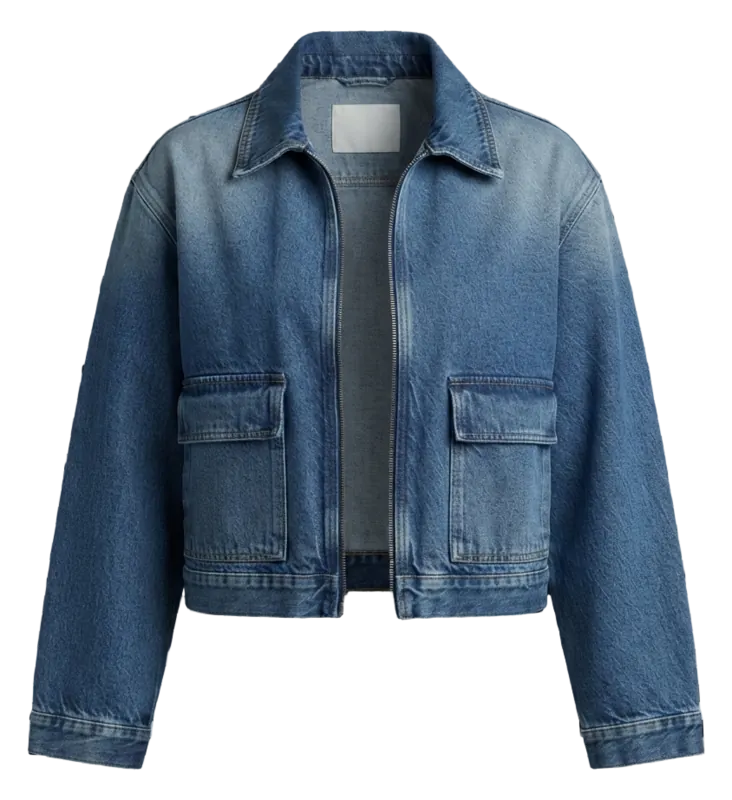
- A layer for the plane, the evening, and the over-air-conditioned restaurant.
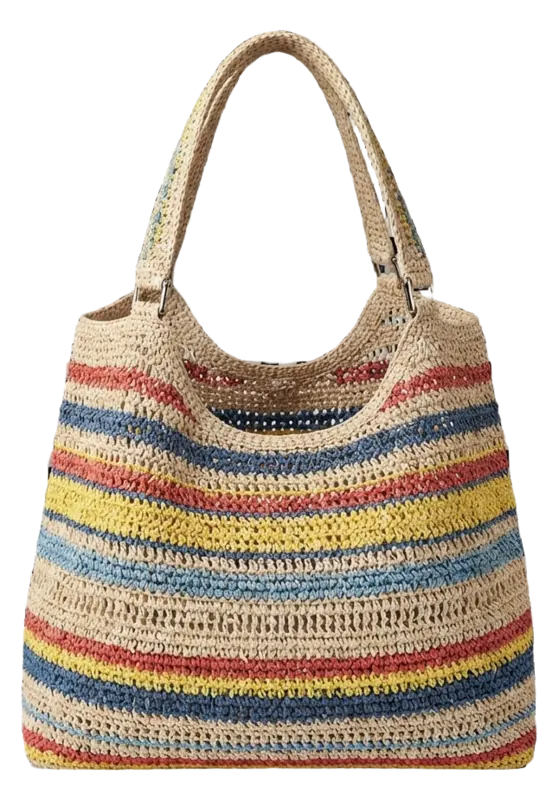
- A tote that goes to the beach, the market, and dinner.
Shoes are the exception to every packing rule: two pairs, both already broken in, and wear the bulkier one on the plane.
The maybe-dress
Every suitcase contains one piece packed for an imagined evening that does not occur — the restaurant you might get into, the party someone might throw. It comes home on the hotel hanger, unworn, having displaced two things you would have used.
The maybe-dress is not a packing mistake so much as an optimism tax. You can decide to pay it, but pay it knowingly: if it fails the every-top test and it is not the one dress on the list, it stays home.
Palette does the heavy lifting
The reason seven pieces can make twelve outfits is not cleverness, it is colour. Pick two neutrals and one accent for the whole trip. Everything then combines by default, and you stop needing to remember which top goes with which bottom — a thing that is genuinely hard to recall in a hotel room at 8 a.m.
Pack it once, at home, where you can see everything
The test above is much easier on a screen than on a bed. With the wardrobe catalogued, you can build the trip’s looks in advance, check them against the destination forecast, and assign one to each day before the suitcase is open.
Then packing becomes a list rather than a decision — and the maybe-dress never makes the list.
Pieces in this note
Bags 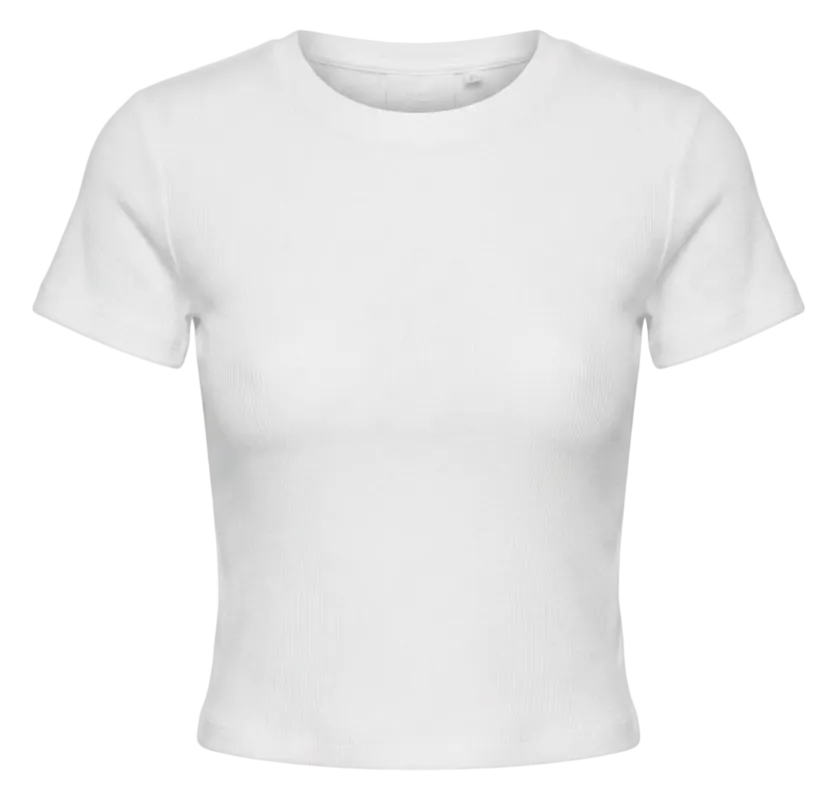
Tops 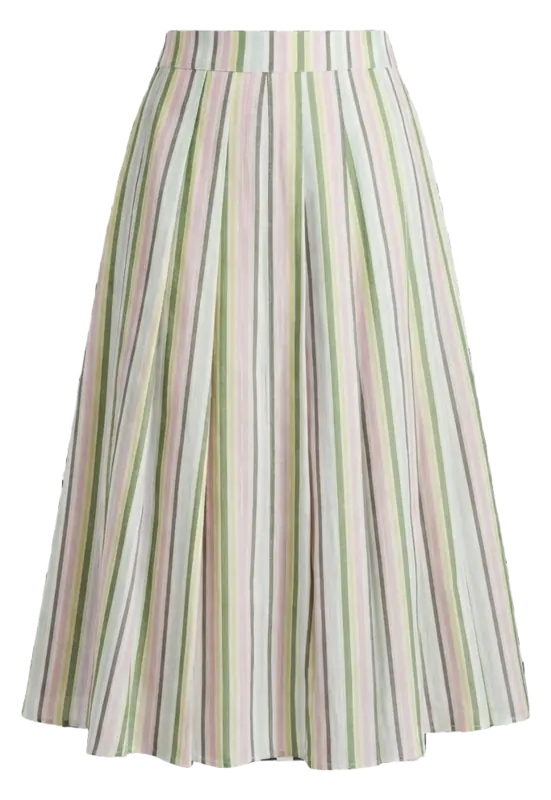
Skirts 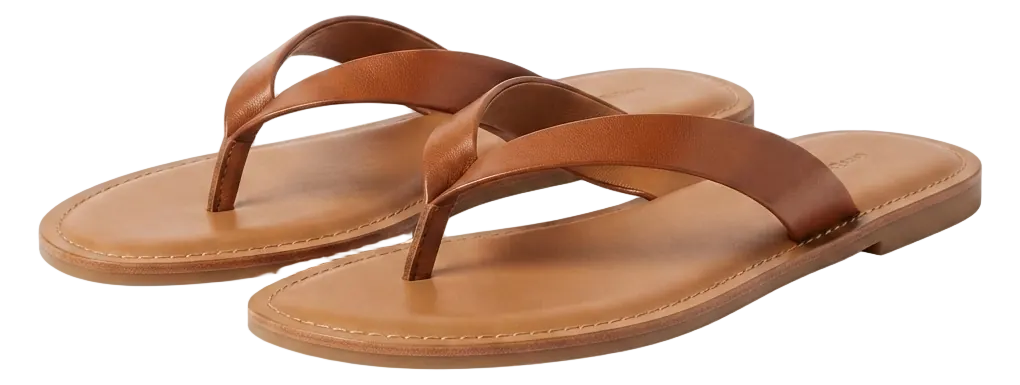
Shoes
Questions
How many outfits should I pack for a week?
Seven pieces that share a palette will produce around twelve workable outfits, which is more than a week needs. The number of garments matters far less than whether every top works with every bottom.
How do I pack light without running out of clothes?
Pack combinations rather than outfits. Run the every-top-with-every-bottom test before the suitcase opens and remove any piece that fails it — usually the one you were least sure about in the first place.
How many pairs of shoes should I take on holiday?
Two, both already broken in, and wear the bulkier pair on the plane. Shoes are the one category where cutting further tends to cost you more comfort than it saves in space.