Method
Cost per wear, honestly.
The worn count is the only honest price tag. Track wears for a month and the next purchase argues for itself — or quietly doesn’t.
Cost per wear is a simple idea that almost nobody actually runs, because the second number is missing. Everyone knows what a piece cost. Nobody knows how many times they have worn it.
Without the second number it is not a calculation, it is a justification — deployed at the till, in the future tense, about a coat you are going to wear constantly.
The two-number version
Price ÷ wears. That’s it. What makes it uncomfortable is that both numbers are real.
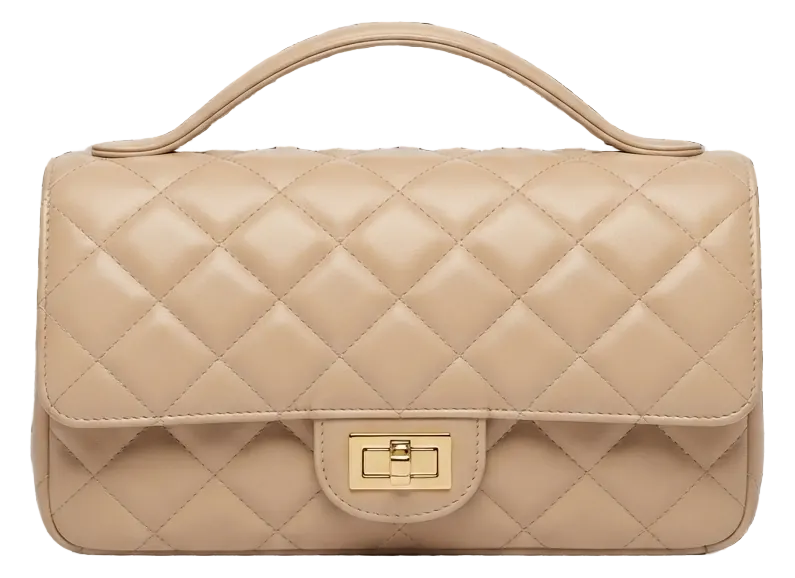
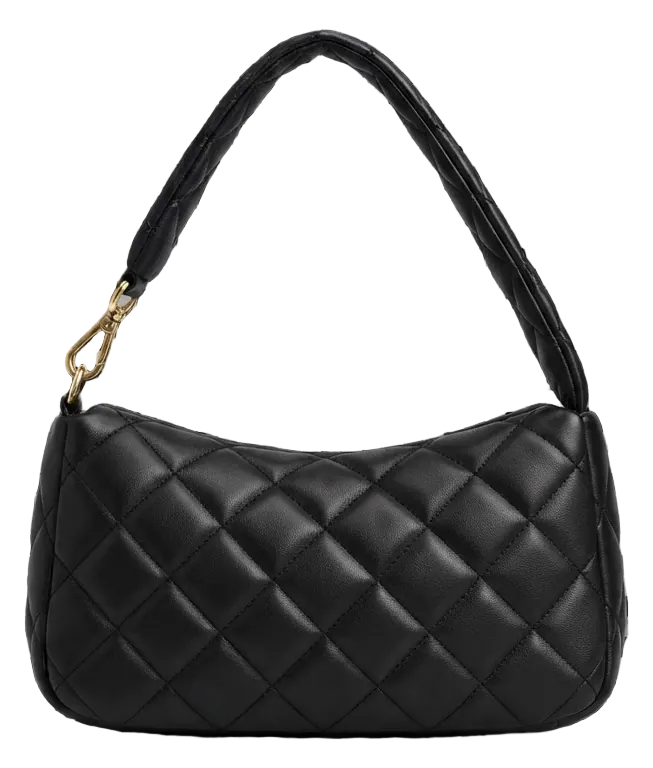
- A €240 quilted bag, worn forty times in a year: €6 a wear, and still climbing down.
- A €90 dress worn once: €90 a wear, permanently, unless something changes.
The bag was more than twice the price and cost a fifteenth as much. This is the entire argument for buying fewer, better things — but note that it is an argument about wears, not about quality or price. A cheap tee worn two hundred times wins outright.
The worn count is the only honest price tag.
What it changes about buying
Once you have a month of real worn counts, three things become obvious and stay obvious.
Occasion pieces are expensive. Not because they cost more, but because they have a hard ceiling on wears. That is fine — some things are worth buying for one evening — but it should be a decision, not a surprise.
Your actual taste is not your aspirational taste. The worn counts will show a boring, repetitive, entirely honest picture of what you reach for. Most people find they own a wardrobe for someone slightly more interesting than themselves.
Duplicates surface immediately. Three near-identical black tops, two worn constantly and one never, is a very specific piece of information about what to buy next — and what not to.
Tracking it without a spreadsheet
The reason cost per wear stays theoretical is that logging every wear by hand is more effort than the insight is worth on any given day. The payoff only arrives after a month, and nothing survives a month of unrewarded admin.
It works when logging takes one tap: mark today’s outfit as worn, and every piece in it increments. After four weeks you have a ranked list of your own wardrobe, sorted by how much you actually use it, with the cost per wear attached.
The one rule worth keeping
Before buying, name the ten wears. Not “I’d wear this a lot” — ten specific occasions or ordinary days, with the rest of the outfit attached. If you can get to ten, buy it. If you stall at three, you have found an occasion piece, and you can price it accordingly.
Ten wears in, the numbers start telling you what to buy — and, more usefully, what not to.
Pieces in this note
Bags 
Dresses 
Tops 
Trousers
Questions
How do you calculate cost per wear?
Divide the price by the number of times you have worn it. The difficulty is never the arithmetic — it is that almost nobody knows the second number, which is why cost per wear usually gets used as a justification at the till rather than as a measurement afterwards.
What is a good cost per wear?
There is no universal threshold, because it depends on the category and on what the piece replaced. What is useful is the ranking: sort your own wardrobe by cost per wear and the pattern in what you actually reach for becomes obvious within a month.
How do I track how often I wear my clothes?
Log the outfit rather than the garment. Marking one saved look as worn increments every piece in it, which takes a single tap — the only version of this habit that survives past week two.